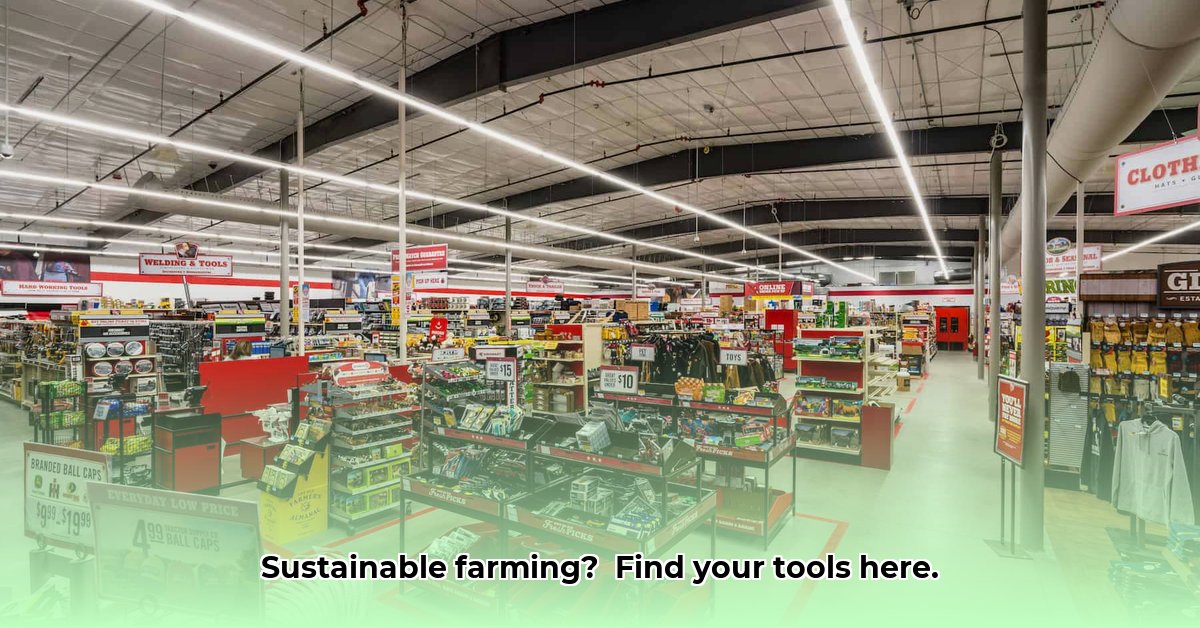
Farming in the Blue Ridge Mountains presents unique challenges. Steep slopes, unpredictable weather, and economic pressures demand innovative solutions, especially for farmers committed to sustainable practices. Tractor Supply in Burnsville, North Carolina, plays a vital role in this landscape, but its capacity to fully support sustainable agriculture needs closer examination. For more information on similar rural stores, check out this nearby Tractor Supply. This article explores the equipment available, examines the overall suitability for sustainable farming, and highlights the wider context of sustainable agriculture in the region.
Tractor Supply Burnsville: A Local Resource
Tractor Supply in Burnsville serves as a central hub for farmers in the Blue Ridge Mountains, offering a range of agricultural equipment, from tractors and tillers to various implements. However, the extent to which this selection adequately caters to the specific needs of sustainable agriculture remains a key question. Many sustainable farming methods require specialized equipment, such as smaller, more maneuverable tractors suited to the region's hilly terrain. Water-efficient irrigation systems are also critical, given the potential for drought. Do these specialized items feature prominently at the Burnsville location? And are they priced affordably for the average farmer? The lack of readily available pricing information creates a barrier to informed decision-making.
Sustainable Farming Equipment: Specialized Needs
Sustainable agriculture in the Blue Ridge Mountains demands more than just the right equipment; it requires a holistic approach. Reduced tillage farming, minimizing soil disruption, promotes soil health. Cover cropping protects and improves soil quality. Innovative technologies such as precision agriculture systems and renewable energy solutions for farm machinery add another layer of complexity. But how accessible are these tools and techniques to farmers in the region? Successful sustainable farms demonstrate the achievable potential within this unique environment. Understanding their practices and equipment choices provides valuable insights for prospective adopters.
Challenges and Opportunities: A Collaborative Effort
The success of sustainable farming relies on a collaborative relationship between farmers, suppliers (like Tractor Supply), government agencies, and financial institutions. What are the key challenges faced by local farmers? What support do they need—from equipment access to information and financial assistance? In-depth conversations with farmers, Tractor Supply representatives, and local government officials would reveal critical details regarding the needs and opportunities within the region. For example, access to financing plays a critical role. Are there sufficient grants and loans available to encourage investment in sustainable technologies?
Risk Assessment and Regulatory Landscape
A comprehensive risk assessment is critical for successful sustainable farming. Equipment malfunctions, adverse weather events, and fluctuating rainfall patterns all pose genuine threats. Mitigating these risks requires proactive measures, including regular equipment maintenance, service contracts, and strategic crop selection. Understanding the North Carolina regulatory landscape concerning agricultural equipment also plays a crucial role, impacting farmers' choices and influencing sustainable practices.
Actionable Steps for Sustainable Farming
Transitioning to sustainable agriculture requires a multi-faceted approach. Explore government grants and subsidies, carefully compare new and used equipment before committing to a large purchase, and consider leasing or sharing equipment to minimize upfront costs. Adopting precision agriculture techniques, which use technology for efficient resource management, is crucial for maximizing yields and minimizing waste. Also, investing in water-efficient irrigation provides protection against drought. Tractor Supply, along with other community stakeholders and agricultural extension services, can provide invaluable resources and information.
Conclusion: A Path to Sustainable Success
The future of sustainable agriculture in the Blue Ridge Mountains depends on collaboration, innovation, and access to necessary resources. Tractor Supply in Burnsville serves as one piece of this complex puzzle, but a broader ecosystem of support is essential. This includes government assistance, community networking, and technological advancement. Ongoing research and dialogue will undoubtedly shape the landscape and help create a more sustainable and resilient farming community in this beautiful and challenging environment.
Key Takeaways:
- The mountainous terrain of the Blue Ridge Mountains presents unique challenges and opportunities for sustainable agriculture.
- Tractor Supply in Burnsville offers a valuable starting point but may not fully address all the specialized equipment needs of sustainable farming.
- Collaboration among farmers, suppliers, government agencies, and financial institutions is essential for sustainable agricultural success in this region.
- Adopting a holistic approach that incorporates improved soil management, precision agriculture techniques, and water conservation strategies is crucial for environmental sustainability and farm profitability.